Start With The Water You Have
The biggest cost driver is your feed water. Seawater takes far more energy to treat than brackish water. Modern seawater reverse osmosis (RO) uses about 2.5 to 3.5 kWh of electricity per cubic meter of fresh water. Brackish RO typically needs only 10% to 30% of that.
That difference ripples through the whole system. More energy means more solar panels and more battery storage, and seawater also needs higher-pressure pumps and more corrosion-resistant materials. A site with a brackish well can often get the same daily output from a smaller, cheaper system than a site drawing from the sea.
Size It To Your Real Daily Demand
Capacity is the second driver, and it's where many projects overspend. Size the system to the water you actually use on a typical high-occupancy day, plus a margin for storage, rather than to a peak you might hit twice a year. Storage tanks are far cheaper than extra treatment capacity, and they carry you through maintenance days and cloudy stretches.
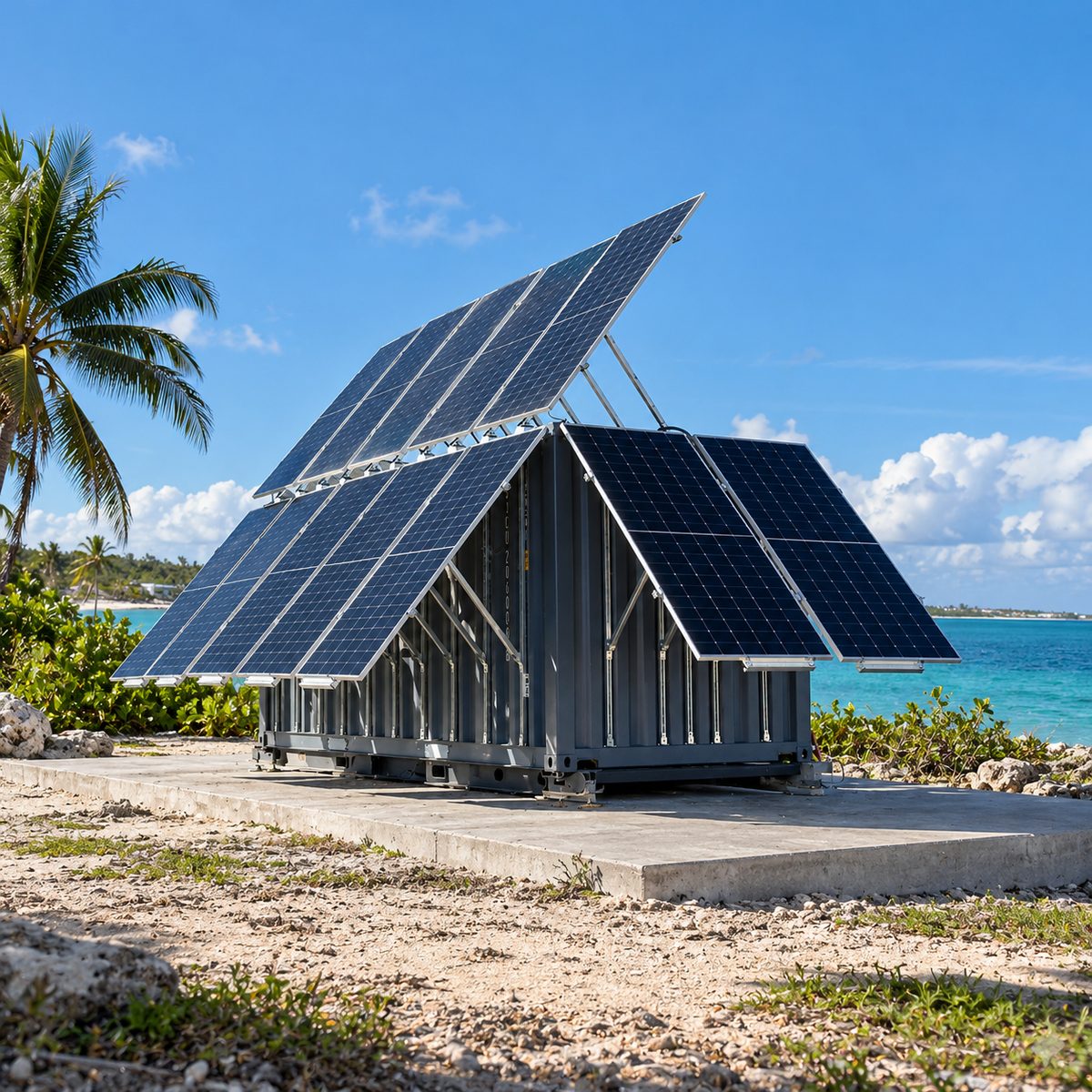
For reference, Trident 1 is engineered around a standard 1,800-gallon-per-day water treatment system (about 6.8 cubic meters), configurable for freshwater, brackish water or seawater. Treatment capacity and power systems are tailored to each site, and the energy budget is confirmed for the final configuration.
Decide How You'll Power It
A desalination unit is only as reliable as its power supply. You have three basic choices:
- Grid power. The lowest equipment cost, but you depend on the grid that fails in a storm, and you pay island electricity rates.
- Diesel generator. Reliable until fuel deliveries stop. Fuel and maintenance costs keep running for the life of the system.
- Solar with battery storage. A higher upfront cost, but very low operating cost and independence from fuel and the grid.
Electricity prices across the Caribbean average about 25 cents per kWh, more than double the US average, and some islands pay over 40 cents. At those rates, the energy alone for seawater RO from the grid costs roughly $0.60 to $1.40 per cubic meter, before maintenance. Solar shifts that cost to the front of the project and removes most of it afterward.
Don't Forget The Rest Of The System
The RO membrane is only one part of the price. A complete system also includes:
- Pretreatment: sediment and carbon filters that protect the membranes, sized to your water quality.
- Post-treatment: remineralization and disinfection, so the water is safe and pleasant to drink.
- Storage and distribution: tanks, pumps and a manifold to send water where it's needed.
- Brine management: a plan for the concentrated reject water, which matters for permits and for the reef next door.
- Controls and monitoring: so you know the system is healthy without walking out to check it.
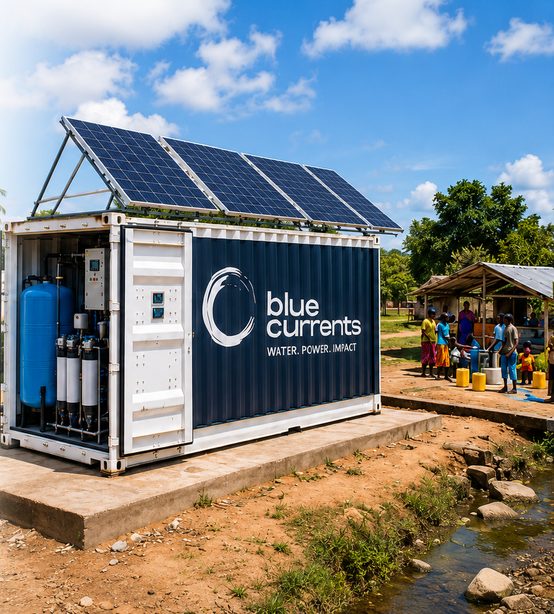
Containerized systems package all of this in one unit that's built and tested before it ships. That reduces site work, which is often the hidden cost on islands where skilled labor and equipment are scarce.
Count Delivery, Installation And Care
Freight to remote islands, customs, site preparation and commissioning can add meaningfully to the equipment price. Ask whether a quote is delivered and installed, or ex-works. Then budget for consumables: prefilters, cartridge filters, UV lamps and periodic membrane cleaning. A maintenance plan with scheduled parts delivery turns those into a predictable annual cost instead of a scramble when something wears out.
Compare Against What You Pay Today
The right comparison isn't the price of the system. It's the cost of water over ten years. Add up what you currently spend on trucked or barged water, bottled water, generator fuel for existing pumps, and the cost of running short during an outage. Many operators find that the outage cost alone changes the math.
The Short Version
Before you request quotes, know your feed water, your typical daily demand, how you'll power the system and what you pay for water now. With those four answers, you can compare systems on equal terms and see the payback clearly.